Why was Disney’s Mulan such a big box office flop in spite of its alignment with PRC narrative?

The film Mulan had a reported production budget of $200 million (plus significant marketing costs, often estimated at $50–100 million or more). Its worldwide theatrical gross was approximately $69.9–70 million, according to sources like Wikipedia, Box Office Mojo references, and industry reports. This includes a disappointing performance in China (its key target market), where it opened to about $23.2 million and quickly declined (e.g., dropping 72% in its second weekend).
For context, the 1998 animated Mulan grossed over $300 million worldwide on a much smaller budget. The 2020 version is often cited as one of Disney’s biggest live-action remake disappointments financially.

The 2020 live-action Mulan film has been accused by critics, human rights advocates. It’s a sign that aligning with or reflecting aspects of the People’s Republic of China (PRC)‘s official political narratives—particularly those emphasizing national unity, Han-centric patriotism, loyalty to the state/emperor, and the portrayal of border regions as inherently part of China may backfire when pushed at the wrong time.
While the film carries no overt propaganda messages, the subtle messages may have provoked negative sentiments among viewers frustrated with COVID measures. A few “triggers” have been suggested but I would not place too much weight on them except for one.
1. Framing Xinjiang as Chinese territory invaded by barbarians
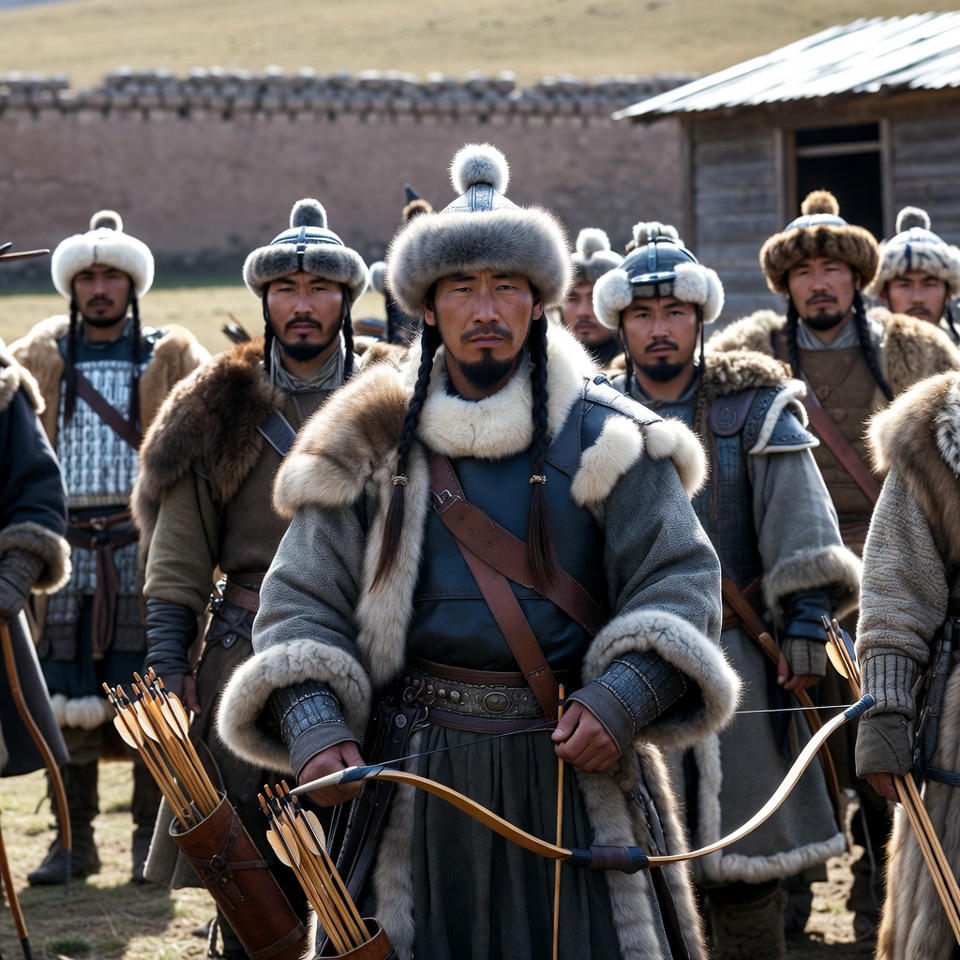
- The film opens with a title card referring to the invaders as coming from the “Silk Road, Northwest China” (a region historically corresponding to modern Xinjiang) even though today’s Xinjiang was occupied by nomadic tribes and not under the Northern Wei dynasty (386–534 AD) rule during that time.

2. Emphasis on Filial Piety, Loyalty, Bravery, and Truth as Core Virtues
I believe this is the main “trigger” that annoyed audiences, especially those inside China.
- Mulan’s journey is framed around restoring family honour, obeying her father, and ultimately serving the emperor and nation with unwavering loyalty.
- This is seen as echoing CCP-promoted values of conformity to societal roles, duty to the state, collective duty over individualism, and state loyalty (similar to “Xi Jinping Thought” emphasis on traditional virtues like filial piety and national rejuvenation). Unlike the 1998 version’s focus on self-discovery and breaking gender norms, the 2020 film glorifies obedience at a time when Chinese people were fed up with draconian COVID measures.

3. Perfected Emperor and army
- The emperor is depicted as wise and just, with the army representing harmonious defence of the realm against barbarians.
- This mirrors CCP messaging on national unity under central leadership and the idea that ethnic minorities benefit from integration into the Han “world”.
While it’s more than a little obvious that the movie was trying to get clearance from the Chinese censors, Han domination or chauvinism is not seen as politically incorrect. Overall, the main reason for the film’s failure lies in its timing. Chinese people had not been so rebellious for a very long time.

Photo shows the White Paper Protest against draconian COVID measures in 2022. Why was Wu Jing’s Warrior Wolf a lot more successful? Some people say that the Chinese know Chinese audiences better, but I think the answer again, is timing.
Massive Box Office Dominance in China
- Wolf Warrior 2 grossed over 5.68 billion yuan (~$854–870 million USD at the time) domestically in China alone, making it the highest-grossing film ever in China until 2021 (when it was overtaken by The Battle at Lake Changjin).
- It shattered records: fastest to hit 1B, 2B, 3B, 4B, and 5B yuan; biggest single-day grosses for a Chinese film; and held the top spot for weeks with extraordinary legs (staying power).
- The first Wolf Warrior (2015) earned around 545 million yuan (~$87 million), solid but not blockbuster-level—its sequel exploded due to built-up hype and improved execution.
- In comparison, Disney’s Mulan (2020) opened to just ~$23 million in China over its debut weekend and ended with roughly $69–70 million worldwide theatrical (very little from China beyond that initial haul), plus uncertain Disney+ PVOD revenue. It was seen as a disappointment even in its target market.

Key Reasons for Wolf Warrior‘s Success vs. Mulan‘s Failure
- Both Wolf Warrior and its sequel 2 are overtly nationalistic: It features a heroic PLA ex-soldier (Leng Feng, played by director/star Wu Jing) rescuing Chinese citizens (and locals) in a chaotic African war zone, defeating foreign mercenaries (including Western ones), and emphasizing that “anyone who offends China will be punished, no matter how far.” The famous tagline and ending passport scene reinforce state protection of citizens abroad.
- The timing was perfect as it tapped into a period of relentless propaganda promoting confidence after the “century of humiliation,”. Audiences luxuriated in the illusion of empowerment, especially those who didn’t know what a Chinese passport looked like.
- Mulan (2020), despite efforts to appeal to China came across as preachy and unexciting.

- Warrior Wolf features high-octane action, realistic military stunts, special effects comparable to Hollywood, and a charismatic Chinese male lead (Wu Jing as a Rambo-like figure) delivered what audiences craved—pure entertainment with nationalistic uplift.
- In contrast, Mulan was elegant and subtle.
- Timing, Market Conditions, and Government Support
Timing is everything. Public sentiments can swing (sometimes irrationally).
- Released in summer 2017 during a foreign film “blackout” period (favouring domestic titles), Wolf Warrior 2 faced no major competition.
- Mulan was launched amid COVID-19 (theaters limited/reopening with distancing). The public was disillusioned and the last thing they needed was preaching.
Wu Jing might have thought that his star would go on shining brightly, but public sentiments have swung strongly against him in recent years. For more on this, check out 36 Dirty Tricks From Ancient China.
Dewdrop Books – Fiction and non-fiction with a focus on the colourful and exotic Asian realm. Check out our titles.